

Table of Contents
- The Backbone of Rural Transportation
- The Fundamentals of Sound Gravel Roads Construction
- Essential Gravel Roads Maintenance for Longevity
- Common Gravel Roads Problems and Effective Gravel Road Repair
- Professional Street and Road Construction and Maintenance Services
- A Well-Maintained Gravel Roads is a Safe, Cost-Effective Asset
The Backbone of Rural Transportation
Gravel roads are far more than just simple dirt paths. They are essential arteries that connect communities, support economies, and provide access to vast stretches of our landscape. While they may not have the smooth finish of asphalt, a well-built and properly maintained gravel road is a durable and cost-effective asset. Understanding the principles of their construction and upkeep is key to ensuring they remain safe and functional for years to come.
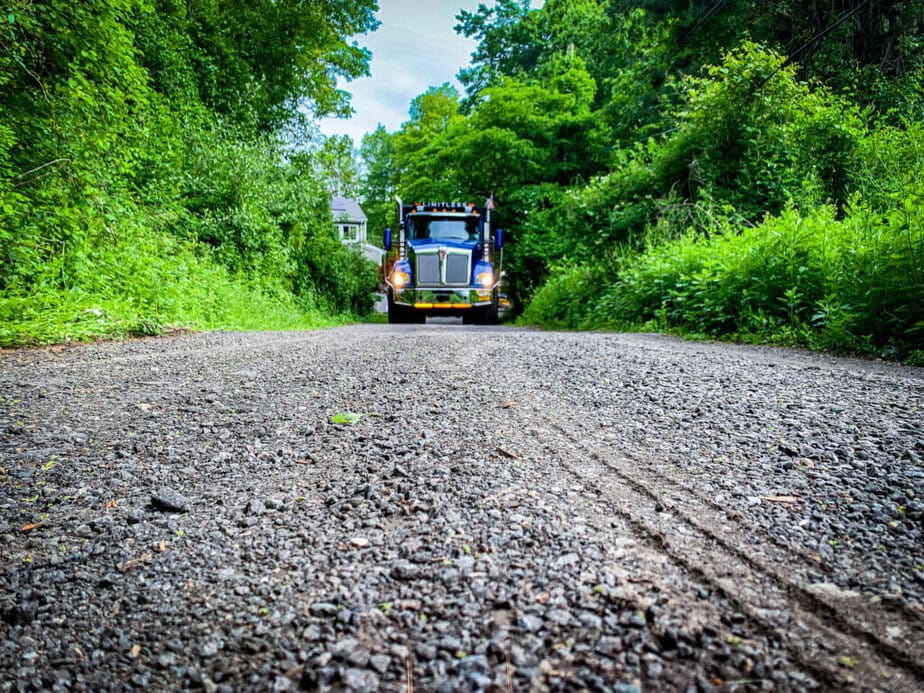
Why Gravel Roads Are a Critical Part of Infrastructure?
In many rural areas, gravel roads are the primary mode of transportation. They provide vital links for residents to access schools, healthcare, and town centers. For the agricultural sector, these roads are indispensable, allowing farmers to move equipment, transport crops to market, and receive essential supplies. Their lower initial construction cost compared to paved surfaces makes them a practical solution for local municipalities managing extensive road networks with limited budgets.
The Fundamentals of Sound Gravel Roads Construction
A long-lasting gravel road doesn’t happen by accident. It is the result of careful planning and adherence to fundamental construction principles. The quality of a road is determined long before the first layer of gravel is spread, learn more.
Proper Gravel Roads Design: Crown, Slope, and Drainage
Water is the number one enemy of any road, and a gravel road is particularly vulnerable. Proper design is all about controlling water. The key elements are:
- Crown: The road surface should be shaped with a slight arch, or “crown,” in the center. This gentle slope, typically around half an inch per foot, encourages water to run off to the sides instead of pooling in the middle.
- Slope and Ditches: The shoulders of the road should slope down into drainage ditches. These ditches collect the runoff from the crown and carry it away from the roadbed, preventing it from soaking in and weakening the structure.
Subgrade Preparation: The Foundation of Durable Gravel Roads
The subgrade is the native soil that the road is built upon. This layer is the true foundation, and its stability is critical. Proper preparation involves clearing all vegetation, removing topsoil, and compacting the earth to create a dense, stable base. Any soft or weak spots must be dug out and replaced with stronger material to prevent future settling and failure.
Choosing the Right Gravel: Aggregate Size and Material Composition
Not all gravel is created equal. The ideal road gravel is a specific blend of different-sized stones, sand, and clay fines. This mixture, known as aggregate, needs the right combination of materials to lock together firmly. Large stones provide strength, smaller stones fill the gaps, and the fine particles act as a binder to hold everything in place. The right mix ensures a hard, durable surface that resists erosion and provides good traction.
Essential Gravel Roads Maintenance for Longevity
Once a gravel road is built, proactive maintenance is the only way to protect the investment and keep it in good condition. Neglect leads to rapid deterioration, creating unsafe conditions and requiring more expensive repairs down the line.
Regular Grading: The Key to a Smooth, Safe Surface
Grading is the most frequent and important maintenance task. Using a motor grader, a skilled operator reshapes the road to restore its crown and smooth out surface defects like potholes and washboarding. Regular grading, especially after heavy rains, ensures the road drains properly and provides a safe driving surface.
Managing Dust and Erosion
Dry, windy conditions can cause significant dust problems on gravel roads, leading to loss of fine materials and reduced visibility. Applying dust suppressants, such as calcium chloride or specialized liquid solutions, can help control this issue. Planting vegetation in drainage ditches and on slopes is also an effective way to prevent soil erosion.
Seasonal Maintenance: Addressing Issues in Spring and Fall
Gravel roads are particularly vulnerable during seasonal transitions. In the spring, the thaw can saturate the subgrade, making the road soft and prone to deep ruts. This is a critical time for light grading to reshape the surface as it dries. In the fall, it’s essential to ensure the road is properly graded and ditches are clear before winter freezes set in, preventing water from getting trapped and causing frost heaves.
Common Gravel Roads Problems and Effective Gravel Road Repair
Even with good maintenance, problems will arise. Knowing how to identify and fix them quickly is essential.
Identifying and Fixing Potholes and Ruts
Potholes and ruts form when water weakens a spot in the road and traffic pushes the gravel away. Simply filling the hole with loose gravel is a temporary fix at best. For a lasting repair, the hole should be squared off, cleaned of loose material, and filled with a new, damp aggregate mixture that is then compacted to match the surrounding surface level.
Solving Washboarding: Causes and Solutions
Washboarding—the series of small, regular ripples in the road surface—is usually caused by vehicle acceleration, braking, or driving at high speeds on a dry road. The best solution is to use a grader to cut down below the ripples and redistribute the material. Adding a fresh layer of well-graded aggregate with the right amount of moisture can also help prevent it from reoccurring.
Repairing Shoulder Drop-Off and Drainage Issues
Over time, the edge of a gravel road can crumble, creating a dangerous drop-off. This is often caused by poor drainage. The repair involves rebuilding the shoulder with fresh aggregate and ensuring the slope is correct. At the same time, drainage ditches should be cleaned of sediment and debris to ensure they can function effectively.
Book your inspection today if you need help with maintenance.
Professional Street and Road Construction and Maintenance Services
While some minor repairs can be handled internally, professional contractors bring a level of expertise and equipment that is invaluable for larger projects and ongoing maintenance programs.
The Benefits of a Proactive Maintenance Program
Working with professionals to implement a proactive maintenance program offers significant advantages. It extends the life of the road, reduces the likelihood of major failures, and improves safety for all users. A planned approach is far more cost-effective than reacting to problems as they occur. Regular inspections and scheduled maintenance can save municipalities and property owners substantial money in the long run.
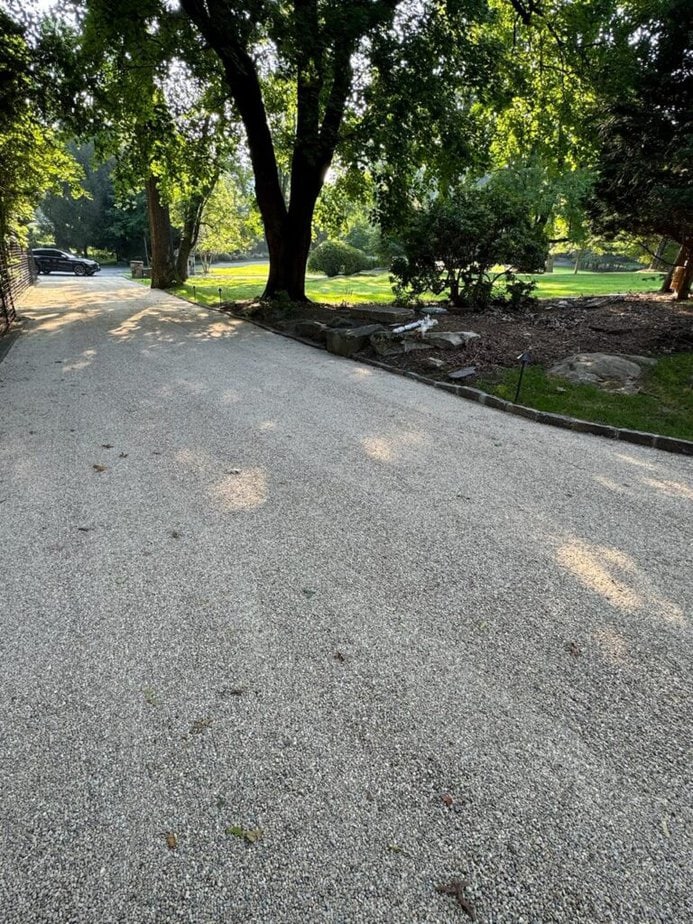
A Well-Maintained Gravel Roads is a Safe, Cost-Effective Asset
A gravel road is more than just a path; it is a vital piece of infrastructure. Through proper construction, diligent maintenance, and timely repairs, these roads can provide safe and reliable service for decades. Prioritizing their upkeep is an investment in community connectivity and economic stability.
If your gravel roads are in need of attention, don’t wait for small problems to become major hazards. Consult with a Limitless Golden Construction professional road maintenance contractor to assess your needs and develop a maintenance program that will protect your asset for the future.
